Many of us think we’re “healthy enough” because we eat some fruit and vegetables, yet we still fall short on fibre. That shortfall doesn’t just affect digestion; it can shape our energy, mood and long-term health, meal after meal, snack after snack.
Why fibre-rich snacks keep your energy steady
Official guidelines usually suggest around 25–30 grams of fibre per day for adults, depending on sex and age. In the US and Europe, most people barely reach half of that. Breakfast, lunch and dinner often look balanced on paper, but the snacks in between are where things slide: white bread, biscuits, ultra-processed bars and sugary drinks.
Fibre behaves like a brake on your plate. It slows the absorption of carbohydrates, which means your blood sugar rises more gently and crashes less dramatically. The result is fewer “I need something sweet now” moments and a more stable feeling of alertness throughout the day.
Fibre helps tame hunger, supports blood sugar control and feeds the gut microbiome that shapes immunity, mood and inflammation.
High-fibre snacks also offer a practical advantage: they fill you up. A yoghurt alone might leave you hungry again within an hour. A yoghurt layered with berries and seeds can carry you through an afternoon of meetings or school runs. The goal is not perfection, but to strategically use snacks to close the fibre gap without overhauling your entire diet.
Eight fibre-packed snacks that actually taste good
The ideas below stick to a simple rule: at least 4 grams of fibre per snack, often more, plus a bit of protein or healthy fat to keep you satisfied. You can mix and match them across the week, based on what you enjoy and what you have in the cupboard.
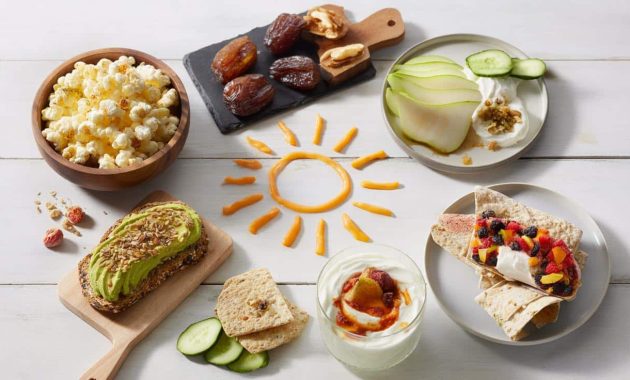
1. Air-popped popcorn with a savoury twist
Popcorn has a bad reputation thanks to cinema buckets soaked in butter and sugar. In its plain form, though, popcorn is simply a whole grain. Three cups of air-popped popcorn bring roughly 4 grams of fibre for very few calories.
To make it more interesting, skip the caramel and use savoury toppings:
- 1–2 teaspoons of olive oil or a light spray
- 1 tablespoon nutritional yeast for a cheesy flavour and extra fibre
- Pinch of smoked paprika, garlic powder or dried herbs
A big bowl of seasoned popcorn delivers crunch, around 5 grams of fibre and a decent hit of B vitamins, without the sugar crash.
➡️ Pots shine like new: A low-cost way to remove grease and burnt-on residue
➡️ Better than running? Mouse study suggests strength training may beat cardio for fighting diabetes
2. Prunes or dates stuffed with nut butter
Dried fruits concentrate both sweetness and fibre. Four to five prunes provide around 3 grams of fibre. Add a teaspoon of peanut butter or any nut butter into each prune and you cross the 4-gram mark while bringing in satisfying fats and a little protein.
If you prefer dates, two pitted dates stuffed with almond butter offer around 5 grams of fibre in a couple of bites. This duo feels almost like a caramel sweet, but works with your blood sugar instead of against it.
3. Wholegrain toast with avocado and seeds
The classic avocado toast earns its place on this list for good reason. Use one slice of dense wholegrain bread (aim for at least 3 grams of fibre per slice), mash roughly a third of a ripe avocado on top and finish with a tablespoon of hemp, pumpkin or sunflower seeds.
One small slice of seeded avocado toast can hit 6 grams of fibre, plus omega‑3s and plant protein that keep you full for hours.
This option works well as a late breakfast, a pre-workout snack or the bridge between lunch and dinner when meetings run late.
4. Pear, ricotta and walnuts “dessert plate”
Turn a simple pear into something that feels like pudding. Slice one ripe pear, spoon on a couple of tablespoons of ricotta or thick yoghurt, and scatter some chopped walnuts. Add a sprinkle of cinnamon if you like a warm, sweet flavour.
The pear and walnuts together provide roughly 7 grams of fibre. Ricotta brings calcium and protein, while walnuts add heart-friendly fats. It looks fancy on a plate, but takes less than five minutes to assemble.
5. Wholegrain crackers with hummus and cucumber
For something savoury you can eat at your desk, build a small plate of wholegrain crackers, hummus and sliced cucumber. The key is to read the labels: choose crackers with at least 3 grams of fibre per serving.
- 3–4 wholegrain crackers
- 2 tablespoons hummus
- Half to one small cucumber, sliced
Between the crackers and vegetables, you land around 6 grams of fibre, while hummus adds protein, iron and a creamy texture that feels far more indulgent than it is.
6. Mini black bean and salsa wrap
This is basically a tiny burrito that acts like a snack. Take one small wholegrain tortilla, spread a quarter cup of mashed black beans, then top with a few spoonfuls of tomato salsa.
One handheld wrap can reach around 8–9 grams of fibre, making it closer to a light meal than a basic nibble.
Black beans offer plant protein and iron, the tortilla brings wholegrain fibre, and the salsa adds vitamin C and freshness. It’s also easy to pack for work or school.
7. Greek-style yoghurt bowl with berries and chia
Plain Greek or Greek-style yoghurt is rich in protein, but low in fibre on its own. That’s where toppings come in. Combine:
- 1 pot or cup of plain Greek yoghurt
- 1 cup of mixed berries (raspberries, blueberries, strawberries)
- 1 tablespoon chia seeds
Raspberries can bring up to 8 grams of fibre per cup, blueberries around 4 grams, and chia seeds add roughly 3 more. Depending on the mix, your bowl might deliver between 7 and 11 grams of fibre, up to 25 grams of protein and a good dose of antioxidants.
8. Steamed edamame with sea salt
Frozen edamame (soybeans in their pods) are one of the easiest freezer staples you can keep on hand. Microwave or steam a cup of them, sprinkle with sea salt and maybe some chilli flakes, and you have a warm, salty snack in minutes.
A single cup of edamame contains around 8 grams of fibre and nearly 19 grams of protein, along with iron, potassium and magnesium.
That mix makes edamame particularly useful after a workout, when your muscles and electrolyte levels both need support.
How to fit these snacks into a busy day
High-fibre snacks work best when they are visible and ready. If the nut butter is buried at the back of the cupboard and the berries are unwashed, the biscuit tin will always win. A little planning goes a long way.
| Moment of the day | Quick fibre snack idea |
|---|---|
| Morning commute | Prunes or dates stuffed with nut butter in a small box |
| Desk mid-morning | Wholegrain crackers with hummus and cucumber slices |
| Post-lunch slump | Greek yoghurt, berries and chia in a jar |
| Pre-gym | Mini black bean wrap or avocado toast |
| Evening TV time | Air-popped popcorn with nutritional yeast and spices |
You can batch-prep parts of these snacks once or twice a week: cook a pot of black beans, wash and portion berries, pre-slice cucumber, or keep a bag of popcorn kernels near the hob. Then assembling a high-fibre snack becomes as easy as grabbing crisps.
What “high fibre” really means for your body
Fibre is not one single nutrient. There are different types, and they play slightly different roles. Soluble fibre, found in oats, beans, fruit and chia seeds, forms a gel in the gut and helps manage cholesterol and blood sugar. Insoluble fibre, found in wholegrains, popcorn and vegetable skins, adds bulk to stools and keeps things moving.
Aim for variety: pulses, wholegrains, nuts, seeds, fruit and vegetables all bring their own fibre “personality”.
Your gut bacteria feed on certain fibres and produce short-chain fatty acids, tiny compounds linked with lower inflammation, better gut barrier function and maybe even improved mood. Regular high-fibre snacks act like small, consistent meals for these microbes, which favour stability over dramatic diet changes.
If you currently eat very little fibre, jump up slowly. A sudden leap from 10 grams a day to 30 can cause bloating and gas. Add one new snack every day or two, drink more water and give your gut time to adjust.
Practical combos and small risks to keep in mind
Some people worry that dried fruit will send their blood sugar soaring. Paired with nut butter, yoghurt or cheese, the effect changes. The fat and protein blunt the sugar hit, while the fibre slows absorption. That is why dates with almond butter or pear with ricotta work so well as balanced snacks rather than “just sugar”.
One point to watch: if you have irritable bowel syndrome or a sensitive gut, not all high-fibre foods will feel the same. Beans, certain fruits and large amounts of popcorn can trigger discomfort in some people. In that case, start with small portions, chew well, and see how you respond to individual foods like oats, chia or berries before loading up on everything at once.
For most adults, though, these eight snacks are a simple way to go from “I should eat more fibre” to actually doing it, one bag of popcorn or yoghurt bowl at a time.
Originally posted 2026-03-08 13:55:06.